

Local businesses today face an increasingly competitive online marketplace. Customers searching for services or products in a specific area expect websites that are not only visually appealing but also fast, easy to navigate, and informative. Web design has therefore become a critical factor in local SEO. Beyond aesthetics, the structure, functionality, and performance of a website directly impact search engine rankings and user engagement. A strategically designed site helps businesses attract local customers, deliver a seamless experience, and build credibility in their communities.
Search engines now consider how users interact with a website when determining its relevance. Factors such as loading speed, ease of navigation, mobile responsiveness, and accessibility influence how search engines rank local businesses. For companies that want to dominate local search results, it is essential to understand the interplay between web design and SEO. By combining technical excellence with user-focused design, local businesses can improve visibility, increase traffic, and ultimately drive sales.
Modern search engines evaluate more than just content; they also assess website architecture, internal linking, and user signals. Broken links, cluttered navigation, or slow-loading pages can reduce the crawl efficiency and ranking potential of a website. Conversely, a well-structured site enables search engines to index content efficiently, highlighting key pages and local services. Working with experts ensures that a local business website is optimized for search engines while delivering an engaging user experience. Proper planning at the design stage allows websites to be both functional and discoverable, maximizing their local reach.
Mobile Optimization for Local SEO

Mobile devices now account for a majority of local searches, making mobile optimization a key component of web design. Google’s mobile-first indexing evaluates how a website performs on smartphones and tablets before assessing the desktop version. A site that is slow to load or difficult to navigate on mobile can lose visibility, regardless of how strong its desktop presence is. Responsive design ensures that page layouts adjust automatically to any screen size, enhancing usability and improving engagement for users searching for local services on the go.
A mobile-optimized website also reduces bounce rates. When pages display correctly and content is easy to access, users are more likely to explore multiple sections of the site, which signals relevance to search engines. Furthermore, mobile optimization contributes to faster page speed and improved accessibility, both of which are factors that influence search rankings.
Site Speed and Performance Metrics

Page speed is a critical factor in both user experience and SEO performance. Slow-loading websites frustrate users and increase the likelihood that visitors will leave before engaging with content. Search engines interpret high bounce rates as a signal that a site does not meet user needs, which can negatively affect rankings. Optimizing images, leveraging caching, and using clean coding practices are key strategies to ensure rapid page load times.
In addition to performance optimization, site speed affects crawl efficiency. Faster websites allow search engine bots to navigate and index pages more effectively. This means that important service pages, location pages, and blog content are more likely to appear in search results. Local businesses that prioritize speed create an environment where both users and search engines benefit from improved accessibility.
Structured Navigation and Internal Linking
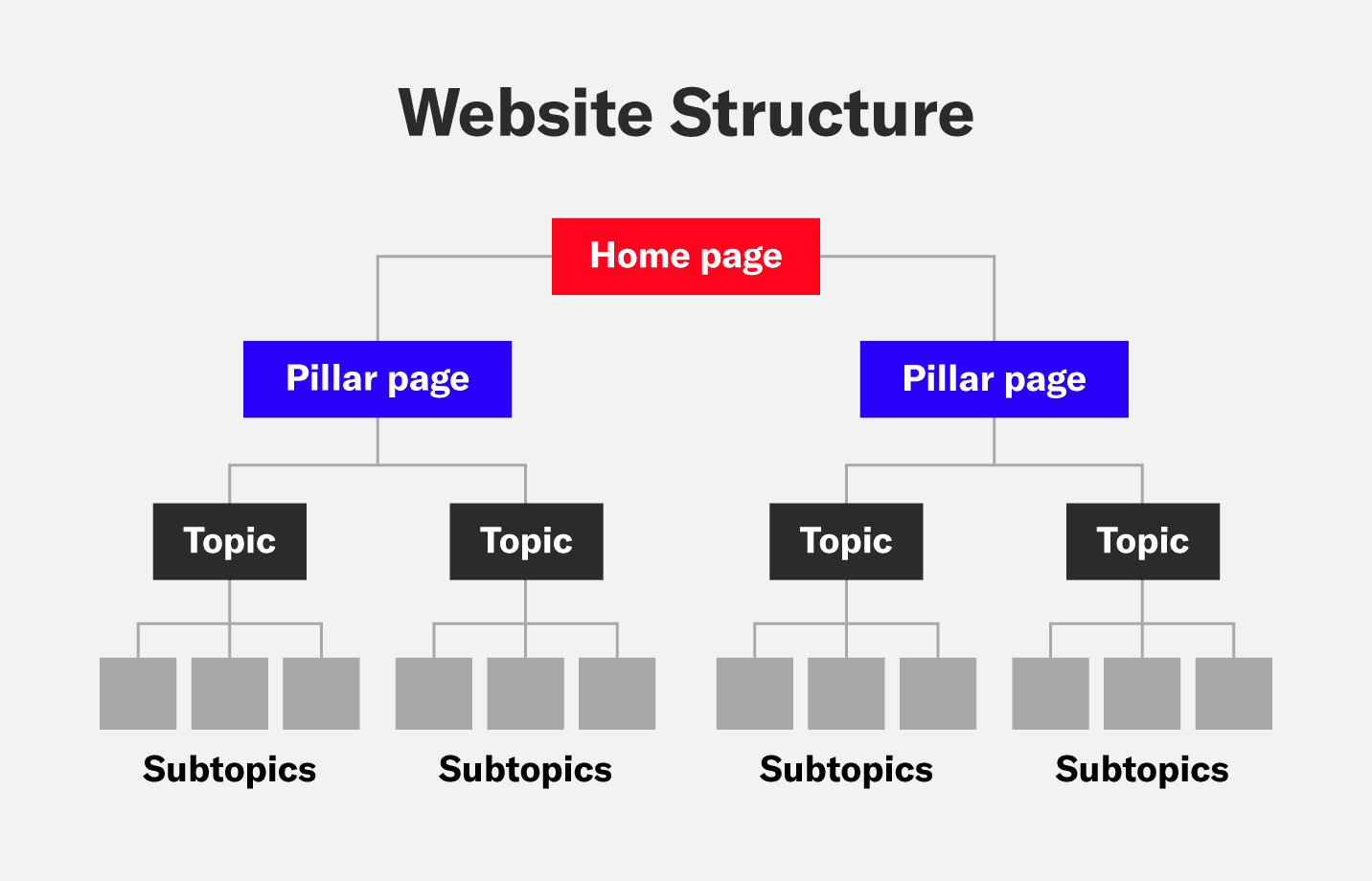
Navigation is one of the most significant elements of web design for SEO. Clear menus, logically organized categories, and well-planned internal linking help both users and search engines find important content. Internal links provide contextual pathways between pages, highlighting services, location-specific information, and key offerings. When structured properly, internal linking improves crawlability and ensures search engines index all relevant pages.
By establishing a clear and intuitive navigation system, local businesses can also improve user engagement. Visitors can locate information quickly, explore services in depth, and move seamlessly between pages. This enhanced experience encourages longer session durations, which positively influences search engine algorithms. Internal linking also distributes authority across the site, supporting local SEO efforts and maximizing the impact of high-value content. Companies looking to implement these strategies often rely on professional design and SEO guidance from Portkey SEO Solutions to ensure the structure aligns with best practices.
Optimized URL Structure 
URL structure plays a subtle yet important role in search rankings. Clear, descriptive URLs help search engines understand the hierarchy of a website and the relevance of individual pages. Including keywords in URLs, avoiding unnecessary characters, and maintaining a consistent format all contribute to better crawlability and indexing. For local businesses, this also means including city names or service areas in URLs to reinforce geographic targeting.
Well-structured URLs enhance user experience by providing a clear expectation of what a page contains. Visitors are more likely to click on links that are readable and descriptive, which can increase engagement and reduce bounce rates. Search engines favor this transparency, rewarding websites that follow logical and organized URL conventions.
Local Business Schema and Metadata

Implementing structured data, or schema markup, helps search engines interpret key details about a business, including location, services, hours, and reviews. Schema can increase visibility in search engine results pages through enhanced features like rich snippets, knowledge panels, and map listings. By providing precise information, local businesses can ensure search engines understand their offerings and geographic relevance.
Schema markup also supports search intent for local queries. When properly implemented, it allows businesses to appear in local packs, enhancing exposure to potential customers nearby. Combined with other on-page elements such as metadata, headings, and content structure, schema ensures that websites communicate effectively with both users and search engines.
Content Layout and Readability

User experience is heavily influenced by how content is presented. Well-structured pages with clear headings, bullet points, and readable text improve comprehension and engagement. Search engines analyze content formatting to evaluate whether a page answers user queries effectively. Pages that are easy to read encourage visitors to explore further, click on additional pages, and interact with calls to action.
Including location-based content within service pages and blogs strengthens local SEO by targeting geographically relevant keywords. For local businesses with multiple service areas, separate pages for each location improve visibility and relevance. A professionally designed website design company can ensure content layout, structure, and internal linking are optimized to support both usability and SEO.
Visual Branding and Trust Signals

Brand consistency across a website enhances credibility and user confidence. Elements such as logos, color schemes, typography, and professional imagery reinforce the identity of the business. Trust signals—including contact information, secure HTTPS protocols, and customer testimonials—also contribute to user confidence. Search engines factor in user engagement metrics influenced by perceived trustworthiness, which in turn affects rankings.
A visually cohesive website that instills confidence encourages longer sessions, repeat visits, and higher conversion rates. By investing in design quality, local businesses reinforce their online reputation and support search engine algorithms in ranking trustworthy, authoritative sites.
Conclusion
Effective web design for local businesses extends beyond aesthetics—it is a critical factor in SEO performance. Mobile optimization, page speed, structured navigation, internal linking, URL hierarchy, and schema markup all influence how search engines evaluate websites. Combined with clear content layout and professional branding, these features improve visibility, engagement, and search rankings in local markets.
Local businesses that prioritize a strategic, user-focused approach to web design are better positioned to attract and retain customers. By integrating SEO principles into every aspect of their website, companies can strengthen their presence in search results, enhance credibility, and drive long-term growth in their communities.